
News

Earth Sciences New Zealand and Ara Ake join forces to accelerate geoheat with new action plan
Find out more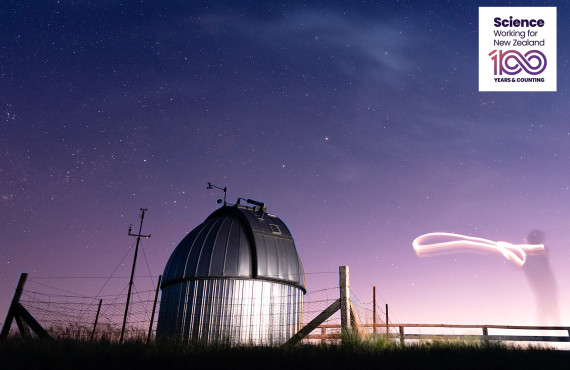
Celebrating 100 years of science impact
A nationwide campaign launching today celebrates a century of publicly funded science in Aotearoa New Zealand and showcases how research and innovation have shaped our economy, environment, health and everyday life.
Find out more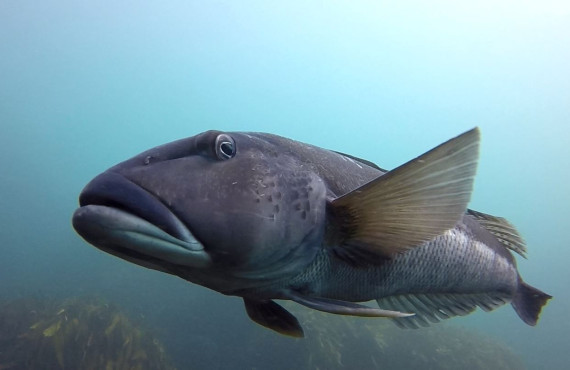
Blue cod researchers need fishers’ help in Marlborough Sounds
Fishers who catch blue cod in the Marlborough Sounds are invited to take part in a new blue cod release research project with Earth Sciences NZ.
Find out more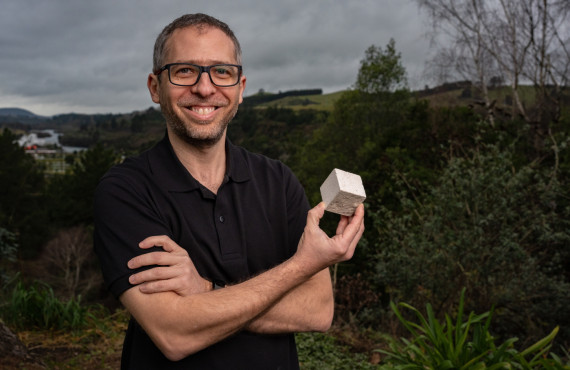
New company RockXtract tackles cement’s carbon problem at its source
Cement is the second most widely used substance in the world after water, with global demand reaching billions of tonnes each year. Its production also generates an estimated 2.3 to 2.8 billion tonnes of CO₂ each year, which is around 8–9 percent of total global emissions.
Find out more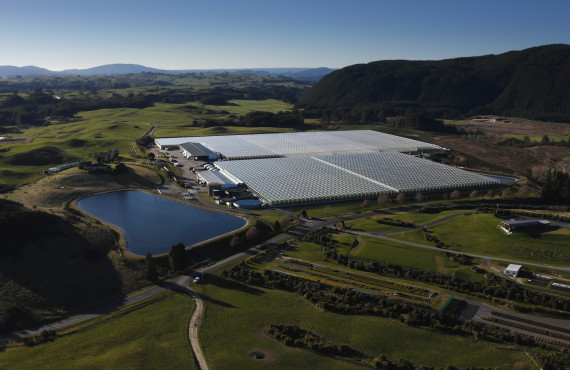
New energy calculator helps glasshouse growers cut fuel risk and future‑proof food production
As New Zealand grapples with rising energy costs and uncertain supply chains, questions about our fuel security and food security are becoming tightly knotted together.
Find out more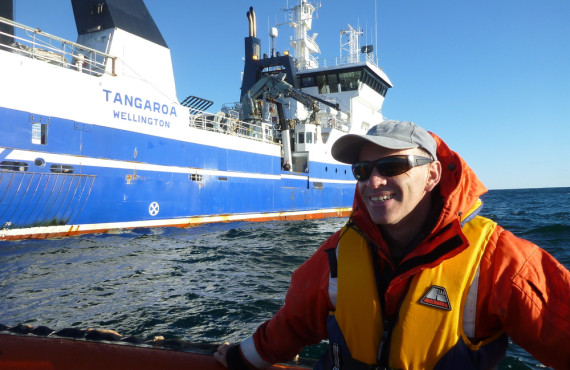
Research voyage seeks out natural climate regulator
Earth Sciences New Zealand scientists and crew will set out this week on the research vessel Tangaroa to investigate the natural uptake of atmospheric carbon dioxide (CO2) by the ocean.
Find out more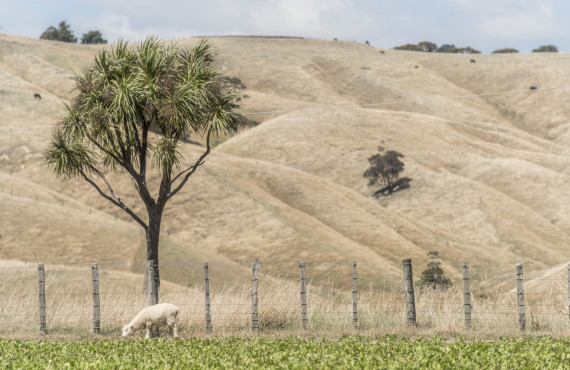
Formidable El Niño expected to arrive this winter
Earth Sciences New Zealand meteorologists are anticipating a significant El Niño influence on weather patterns across the country from winter onwards, potentially bringing reduced rainfall for some areas.
Find out more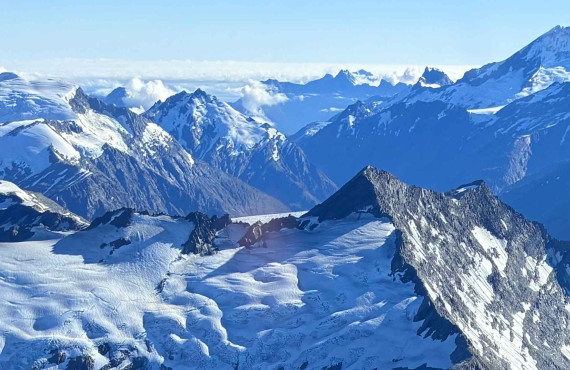
Fifty years of observations, no reversal of glacier climate damage
Fifty years on from the first aerial survey of our Southern Alps glaciers, late snow and variable summer weather delivered a temporary reprieve from rapid ice loss, says Earth Sciences New Zealand.
Find out more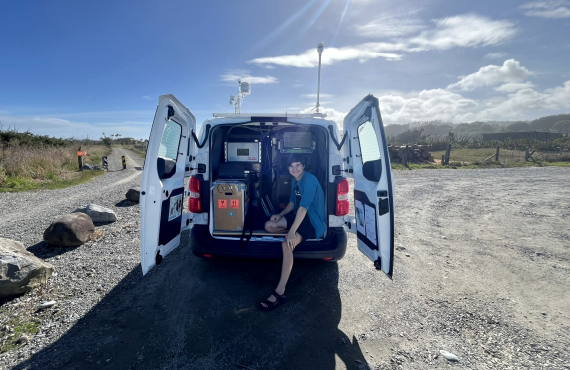
Measuring emissions from Picton to Bluff: mobile lab heads south on sampling road trip
The CarbonWatch-Urban mobile lab has completed its second campaign around the South Island, as part of the Earth Sciences New Zealand research programme’s mission to map the carbon dioxide sources and sinks for every town and city in Aotearoa New Zealand.
Find out more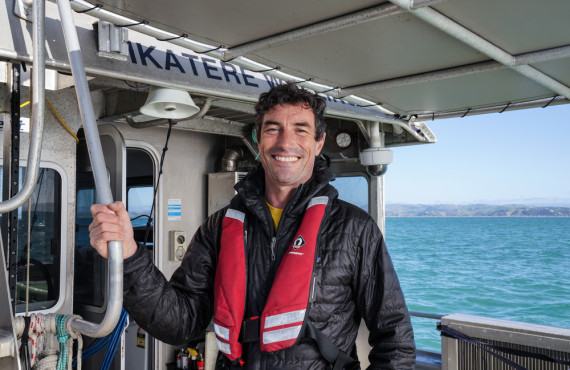
Have you seen freshwater bubbling up at the coast?
Earth Sciences NZ is asking beachgoers, boaties and divers to help locate freshwater springs in the ocean, contributing to a better understanding of coastal groundwater systems.
Find out more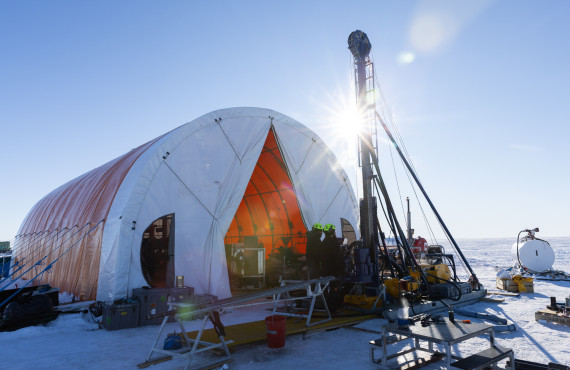
Record-breaking sediment core provides unprecedented evidence of West Antarctic Ice Sheet retreat
An Earth Sciences New Zealand co-led international team has drilled the longest-ever sediment core from under an ice sheet, providing a record stretching back millions of years that will help climate scientists forecast the fate of the ice sheet in our warming world.
Find out more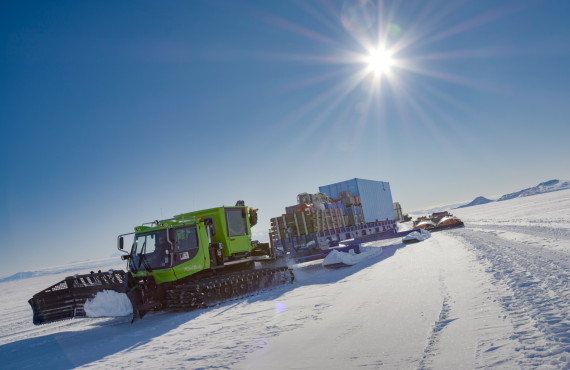
Mission for ancient climate clues beneath 500 m of Antarctic ice gets underway
An international team has set up a remote camp on the ice 700 km from the nearest base (Scott Base) to attempt to drill for mud and rocks holding critical insights about the fate of the West Antarctic Ice Sheet in our warming world.
Find out more