
Multihazard Risk and Resilience
The goal of the MultiHazard Risk and Resilience Flagship is to enable evidence-based decisions that reduce losses, improve preparedness, and strengthen resilience to natural hazards across New Zealand. It is integrating hazard, exposure, vulnerability and human behaviour data through nationally consistent risk modelling platforms. This Flagship is shared across the Geological Hazards and Weather and Climate Hazards Science Missions.
As natural hazards continue to grow in frequency, magnitude and complexity, many communities are increasingly exposed to multi-hazard scenarios. We will quantify and compare benefits of risk reduction interventions, integrate environmental, socio-economic and behavioural modelling, and develop social science, mātauranga Māori and people-centred approaches to delivering science advice and policy and planning for improving decision-making.
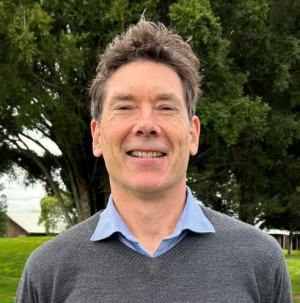 Chief Scientist - Multihazard Risk and Resilience: Scott Stephens
Scott joined Earth Sciences NZ in 2001, with a PhD in Earth Sciences from the University of Waikato. His early career specialised in coastal physical processes and hazards and branched into decision-making under uncertainty. From 2019–21 Scott was an assistant regional manager, focusing on operations and science delivery. In 2021 he became Chief Scientist, firstly overseeing science strategy and delivery for the Coasts & Estuaries Centre. He now leads ESNZ’s Multi-hazard Risk & Resilience flagship. He also leads the Future Coasts Aotearoa 2021–27 MBIE Endeavour research programme.