
Earth Sciences New Zealand and Ara Ake, New Zealand’s energy innovation centre, have released the 2026–2027 Geoheat Action Plan, designed to rapidly grow the use of geoheat throughout Aotearoa New Zealand. Geoheat refers to heat below 150°C and has many practical, low emission uses.
Earth Sciences New Zealand and Ara Ake join forces to accelerate geoheat with new action plan
28 May 2026

The Action Plan has been written to support the delivery of the Government’s first‑ever Geothermal Strategy, From the Ground Up, and includes:
- Five new geoheat projects over 500 kW in planning or operation
- Ten or more workshops, conferences and engagement events nationwide
- Five site visits showcasing geoheat in action
- At least 10 publicly available reports, papers and case studies, with ESNZ leading knowledge generation and Ara Ake supporting de‑risking and innovation.
These actions will be delivered by the Geoheat Action Group - a consortium of industry, government, specialist and regional stakeholders that have played a key role in delivering the previous four action plans.
“By working closely with Ara Ake, we are strengthening the link between science, innovation and real world deployment, which is exactly what is needed right now,”
says Dr Isabelle Chambefort, General Manager of Energy at Earth Sciences New Zealand.
“Momentum is building. The Action Plan takes that momentum and coordinates the activity, giving them a shared direction. What’s more, this supports the urgent need for alternatives to fossil fuel heat,” says Sophie Braggins, Chief Executive of Ara Ake.
The plan highlights growing opportunities in low- and ambient-temperature geothermal applications, which are well established overseas but have had limited uptake in New Zealand to date, despite significant potential for adoption. The plan particularly places strong emphasis on regional leadership, which is mirrored by the interest accelerating in regions like Bay of Plenty, Taranaki, Waikato, Auckland and Canterbury.
This is the fifth Geoheat Action Plan in the series fostering the uptake of direct geothermal heat use (and cool) in industrial and commercial businesses.
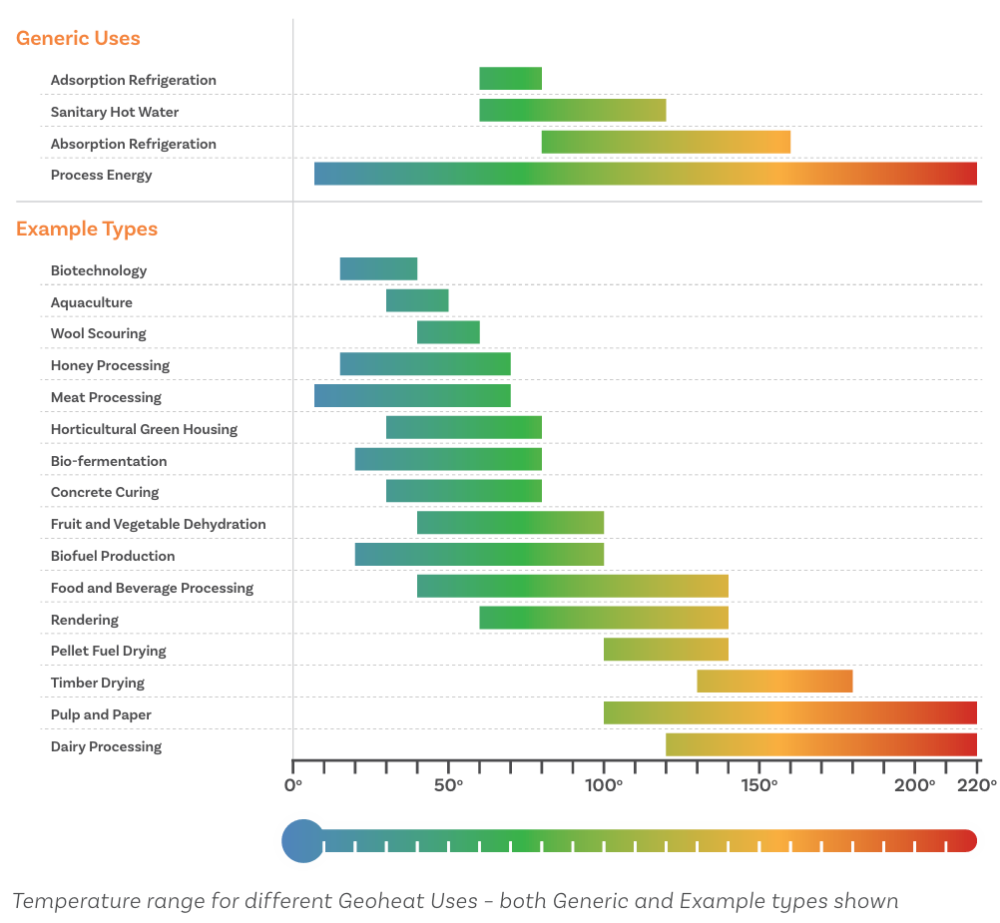
Brian Carey, Geothermal Resource Management Specialist at Earth Sciences New Zealand, says the consortium of specialists has been working on these plans for several years, and delivery and uptake have been very successful.
“We’re really proud of the outcomes from the earlier action plans"
This plan also assesses the performance against last year’s action item, showing great achievements and progress, supported by the launch of the geothermal strategy. This year’s Action Plan also includes case studies highlighting the sector’s growth.”
In Auckland, Waikato and Bay of Plenty, glasshouse growers are considering switching to geoheat to manage rising energy costs and fuel security concerns. Earth Sciences New Zealand is also supporting this progress with its free “geothermal for glasshouse calculator", which helps operators assess how geothermal heat in their location could be a practical option.
In Taranaki, Ara Ake has been asking whether the region’s petroleum legacy could help develop the regions geoheat opportunity. This includes reusing wells for geoheat production rather than plugging and abandoning them. The project explores the feasibility of this approach and how legacy petroleum data could help establish a regional geoheat economy.
The Geoheat Action Group that drives this Geoheat Action Plan meets every two months. If you would like to be involved with the group, please email geoheat@earthsciences.nz
Read the Action Plan here.